by Chris Clements | Feb 27, 2025
Let’s sexplore a vegetable garden! This specially designed program uses your school garden or helps you create a growing space for your classroom.
by Chris Clements | Feb 27, 2025
Steudents learn about the roles of living and non-living things in an ecosystem and how everything in an ecosystem is connected. This lesson introduces conceps such as food chains, energy flow, producers, consumers and decomposers.
by Chris Clements | Feb 27, 2025
Students learn the 6 basic kinds of fossils found in our area, and then go on a fossil hunt on the school’s campsus.
by Chris Clements | Feb 27, 2025
Water can take many forms. Students will act like water as they precipitate, collect, transpire and more!
by Chris Clements | Feb 27, 2025
Students will touch and feel the basic types of rock and then act out the rock cycle to learn how each of those types are formed.
by Chris Clements | Feb 27, 2025
Students learn to use weather tools such as thermometers, anemometers and barometers to observe the weather and then use those observations to create a weather report.
by Chris Clements | Feb 27, 2025
Give students the ability to identify every tree in the schoolyard with a simple key. Students will learn the basic charaacteristics that can help us identify trees and then practice those skills on trees in the schoolyard.
by Chris Clements | Feb 27, 2025
This is a classic nature exploration. Students will learn about birds commonly found in our area and then head outside to look and listen and count bird neighbors.
by Chris Clements | Feb 27, 2025
This series teaches students about the importance of careful observation in noticing and studying nature. Students will learn how to bring their observations to life with drawings and writings in their very own nature journal.
by Chris Clements | Feb 27, 2025
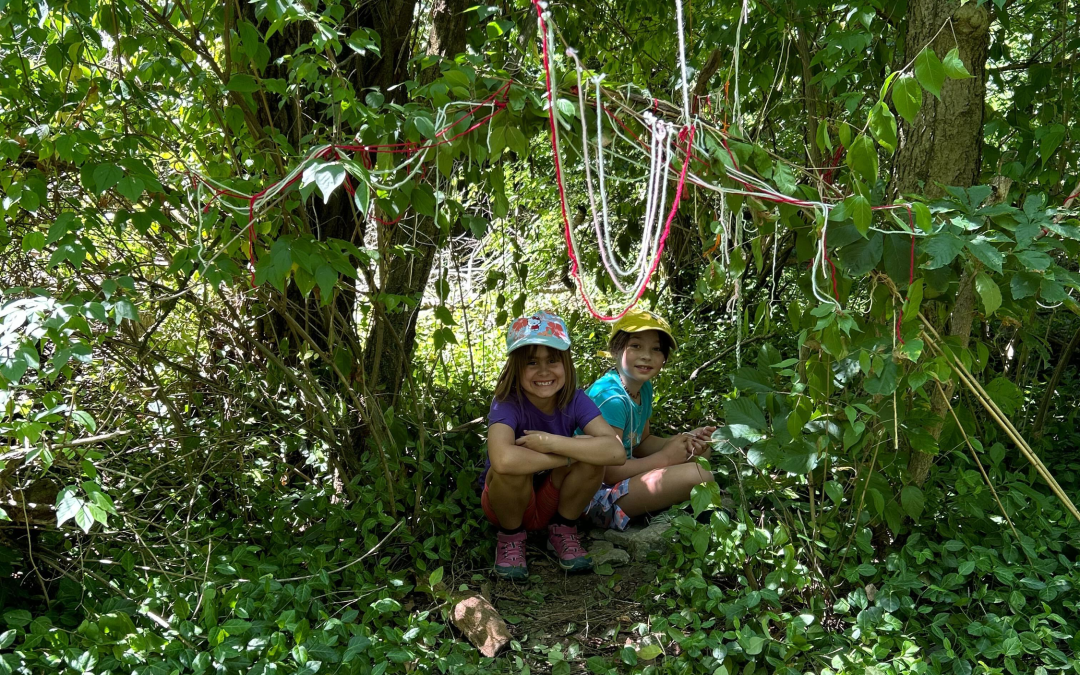
Students will learn about different cultures and artists that use nature as art, and then students will use natural materials to design beautiful pieces that will live on the school’s campus.
